Protecting the Future of Thinking Against AI

I wanted to write this piece because much of the conversation about artificial intelligence focuses on what it can help us produce. We talk about faster reports, quicker answers and improved efficiency. But I think we need to spend more time considering what AI could gradually discourage us from doing for ourselves.
Thinking is not simply arriving at an answer. It is the process of questioning, making connections, testing ideas, sitting with uncertainty and sometimes getting things wrong. When we immediately turn to AI, we may receive an impressive response, but we can also bypass the mental effort through which genuine understanding develops.
This does not mean that we should reject AI. It can be a valuable tool for exploring ideas, challenging assumptions and improving our work. The danger arises when assistance becomes dependence and we begin to accept fluent answers without evaluating the evidence, logic or perspective behind them.
Protecting the future of thinking means using AI in ways that keep us intellectually involved. We should attempt problems before asking for help, question the answers we receive, verify important claims and remain able to explain our own reasoning. In education and the workplace, we must also continue creating opportunities for people to think independently rather than simply produce polished outputs.
AI will undoubtedly shape how we work and learn. However, we should not allow the convenience it offers to weaken the curiosity, judgement and critical thinking that make its outputs useful in the first place.
Written by:
M. Stuart
Date
04/09/2026
Beyond Guidance: Are We Actually Preparing Educators to Design AI-Resilient Assessments?
Written by:
Arthursmith
Date
03/08/2026
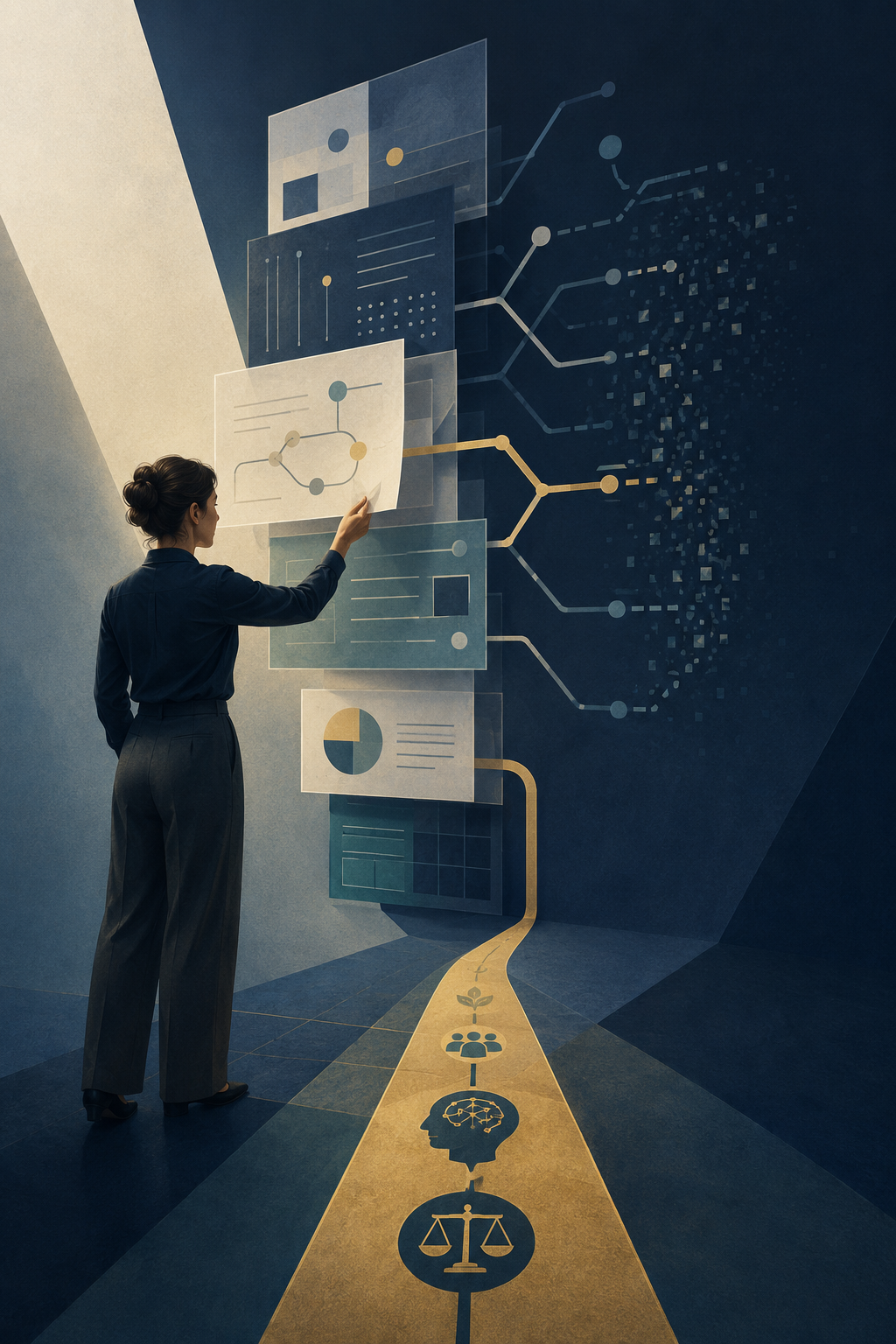
In the first blog in this series, I argued that the goal should not be to create assessments that are completely “AI-proof.” Instead, we should develop AI-resilient assessments, assessments that continue to provide meaningful evidence of students’ knowledge, reasoning and judgement when generative AI is widely available. However, recognising the need for assessment reform is only the beginning. The next question is whether educators are being adequately prepared to make these changes.
The conversation has moved beyond AI detection
Governments, regulators and education bodies are increasingly recognising that AI detection and blanket prohibition cannot provide a complete response to generative AI. In Australia, the Assessment Adaptation Model provides a structured process for analysing and adapting assessments. The country has also introduced a national framework to guide the responsible use of generative AI in schools.
In England, Ofqual has developed resources to help schools manage AI use in coursework, while the Department for Education provides broader learning materials on understanding and using AI in education. Jisc has also highlighted approaches such as oral examinations, portfolios, programme-level assessment and greater emphasis on the learning process.
Ireland has introduced a national policy framework for generative AI in higher education, alongside the GenAI:N3 Assessment Redesign Framework. Internationally, UNESCO and the European Commission have developed wider competency and AI-literacy frameworks for teachers and learners.
Together, these developments show that the sector is moving in the right direction. The emerging message is clear: education cannot rely primarily on detecting AI-generated work. Assessment itself needs to evolve.
AI Through the Eyes of a Chartered Accountant
Written by:
Elvis F.
Date
15/07/2026
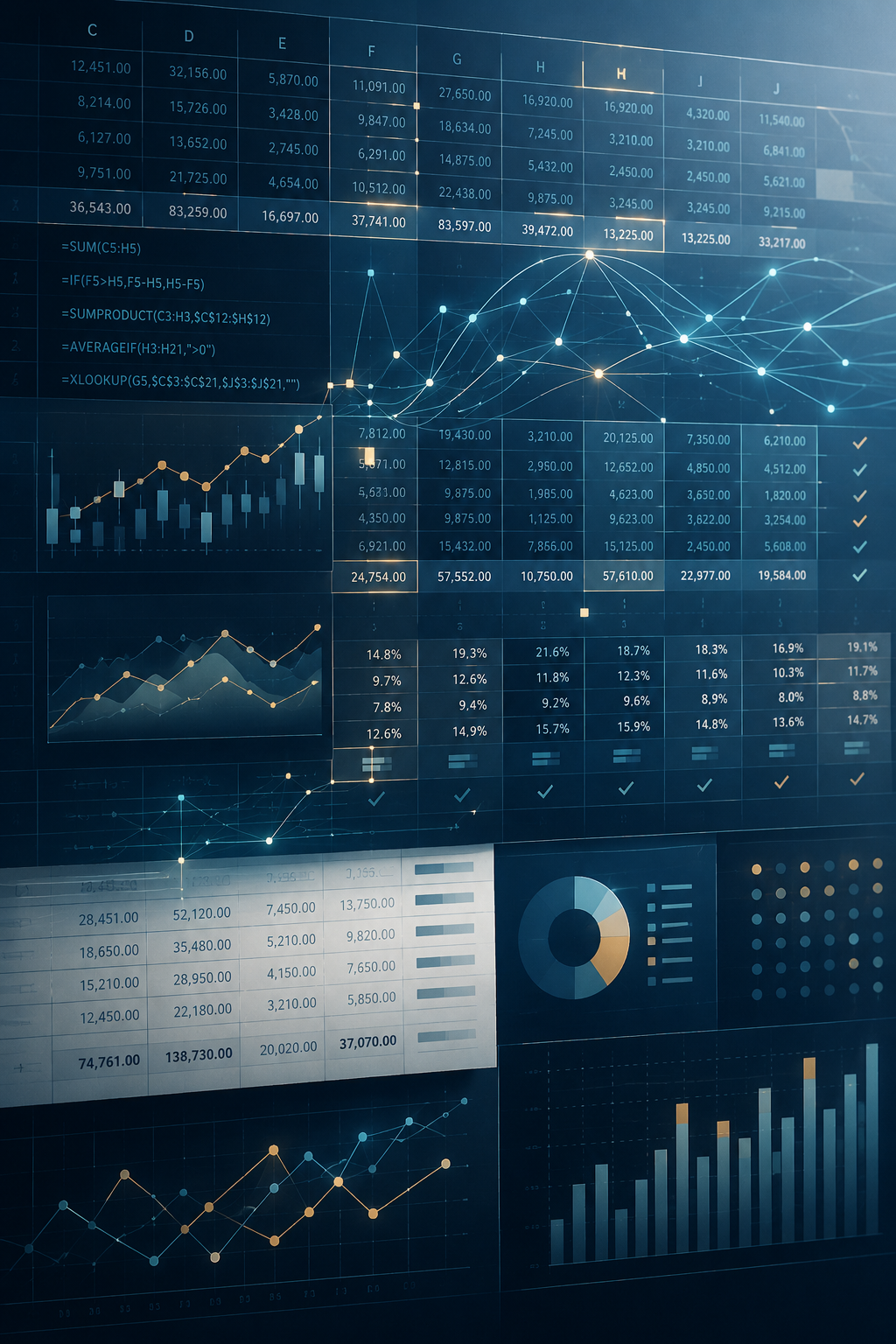
As a chartered accountant, I have seen technology steadily change the way we work. However, artificial intelligence feels different. It is not simply another piece of software designed to make one task easier; it has the potential to reshape how financial information is processed, interpreted and used across an entire business.
There are clear benefits. AI can automate repetitive tasks such as processing invoices, reconciling accounts, categorising transactions and identifying unusual patterns in financial data. This can reduce human error, improve efficiency and give accountants more time to focus on work that requires professional judgement. It can also help businesses analyse large amounts of information more quickly, improve forecasting and identify financial risks or opportunities that might otherwise be missed.
For accountants, this creates an opportunity to move beyond producing historical reports and play a more active role in business decision-making. If routine tasks can be completed more efficiently, we can spend more time interpreting results, advising clients and helping organisations plan for the future.
However, there are also significant risks. AI-generated outputs can appear confident and convincing even when they are incomplete or incorrect. In accounting, a small error can have serious financial, regulatory and reputational consequences. AI systems may also rely on poor-quality or biased data, while the use of sensitive financial information creates important concerns around confidentiality, cybersecurity and data protection.
There is also the risk of overreliance. If businesses begin accepting AI-generated figures, forecasts or recommendations without proper scrutiny, they may weaken the very controls designed to protect them. AI can support professional judgement, but it cannot take responsibility for the consequences of a decision. Accountability must remain with appropriately qualified people.
In my view, businesses should not approach AI as either something to fear or a quick solution to every problem. They need a clear strategy for deciding where AI can add genuine value and where human oversight remains essential. This means establishing strong governance, protecting sensitive data, checking the quality of AI-generated outputs and ensuring that employees understand both the capabilities and limitations of the tools they use.
Businesses must also invest in their people. Accountants and finance teams will need opportunities to develop their understanding of AI while continuing to strengthen the human skills that technology cannot easily replace, professional scepticism, ethical judgement, communication and an understanding of the wider business context.
AI is likely to become a normal part of accounting practice. The businesses that benefit most will not necessarily be those that adopt it fastest, but those that use it responsibly, thoughtfully and with the right safeguards in place. For me, the future of accounting is not about replacing accountants with AI. It is about using AI to support better work while preserving the judgement, integrity and accountability on which the profession depends.